The Man Who Ran from His Calling
Why name a community concerned with friendship, formation and worthy action after Jonah?
Because Jonah is not presented as a polished hero. He is recognisably human.
He receives a call and runs from it. He is rescued and must be called again. He eventually acts, yet remains inwardly unfinished.
Jonah is not merely a figure to admire from a distance. He is a mirror.


Jonah is called in one direction and chooses another.
The Book of Jonah begins directly. The word of the Lord comes to Jonah, son of Amittai, commanding him to go to Nineveh.
Jonah travels to Joppa instead. He finds a ship bound for Tarshish, pays the fare and boards it.
His flight is organised.
He does not merely hesitate. He puts money, movement and distance between himself and what has been asked of him.
Sometimes the effort involved in avoiding a responsibility reveals that we have already recognised it.
Jonah’s movement is repeatedly downward.
He goes down to Joppa, down into the ship and then into the sea.
Joppa
Jonah travels away from Nineveh and reaches the port where escape becomes practical.
The Ship
While the storm grows and the sailors struggle, Jonah lies below deck asleep.
The Sea
Jonah acknowledges his flight and is cast into the waters. The storm ceases.
The Great Fish
Inside the fish, Jonah prays, remembers his dependence and is returned to dry land.

The call has not disappeared.
After Jonah is returned to dry land, the word of the Lord comes to him a second time.
Jonah has failed, fled and fallen. Yet he is called again.
This time, he goes to Nineveh.
That second call lies near the heart of the name Jonah’s Club.
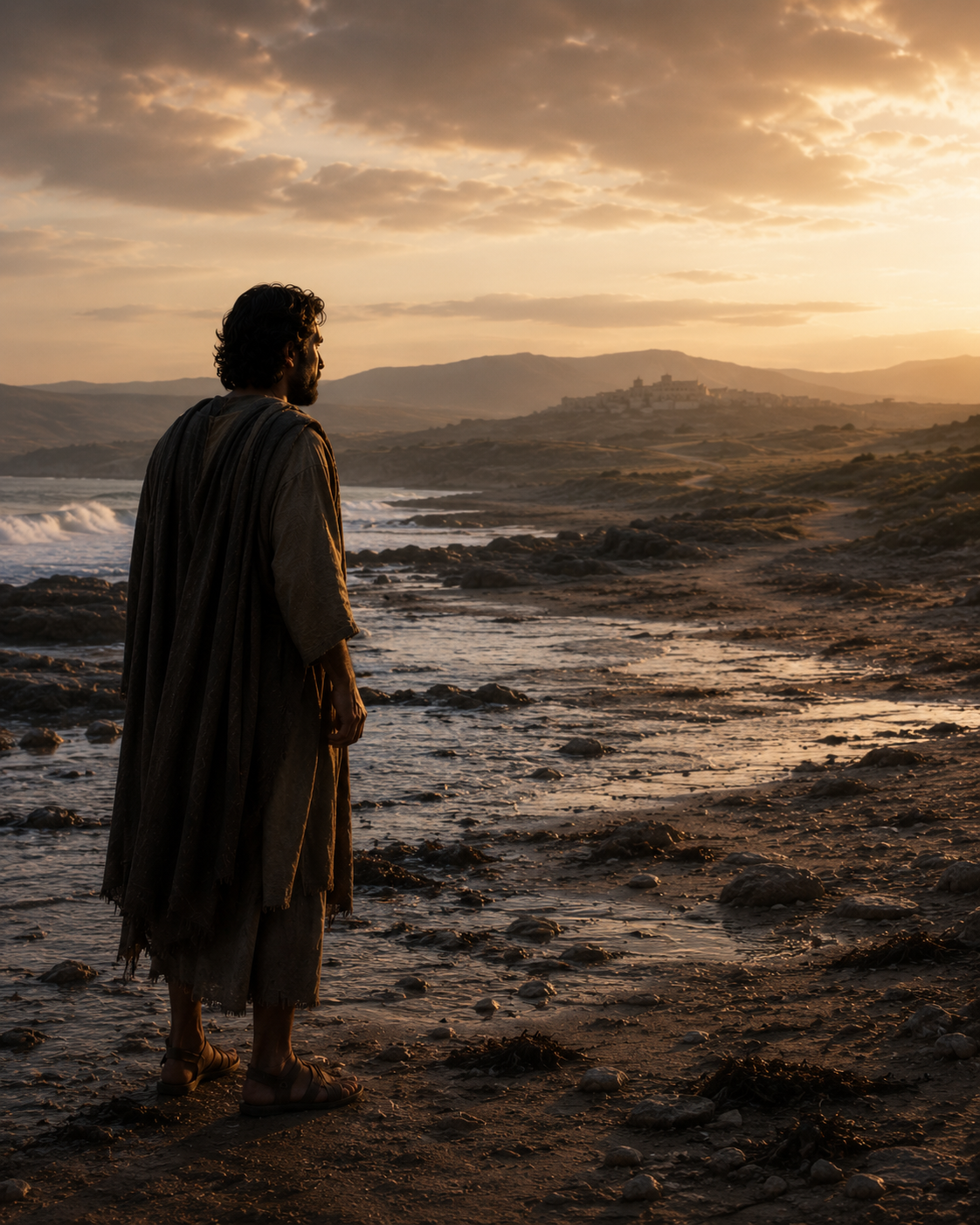
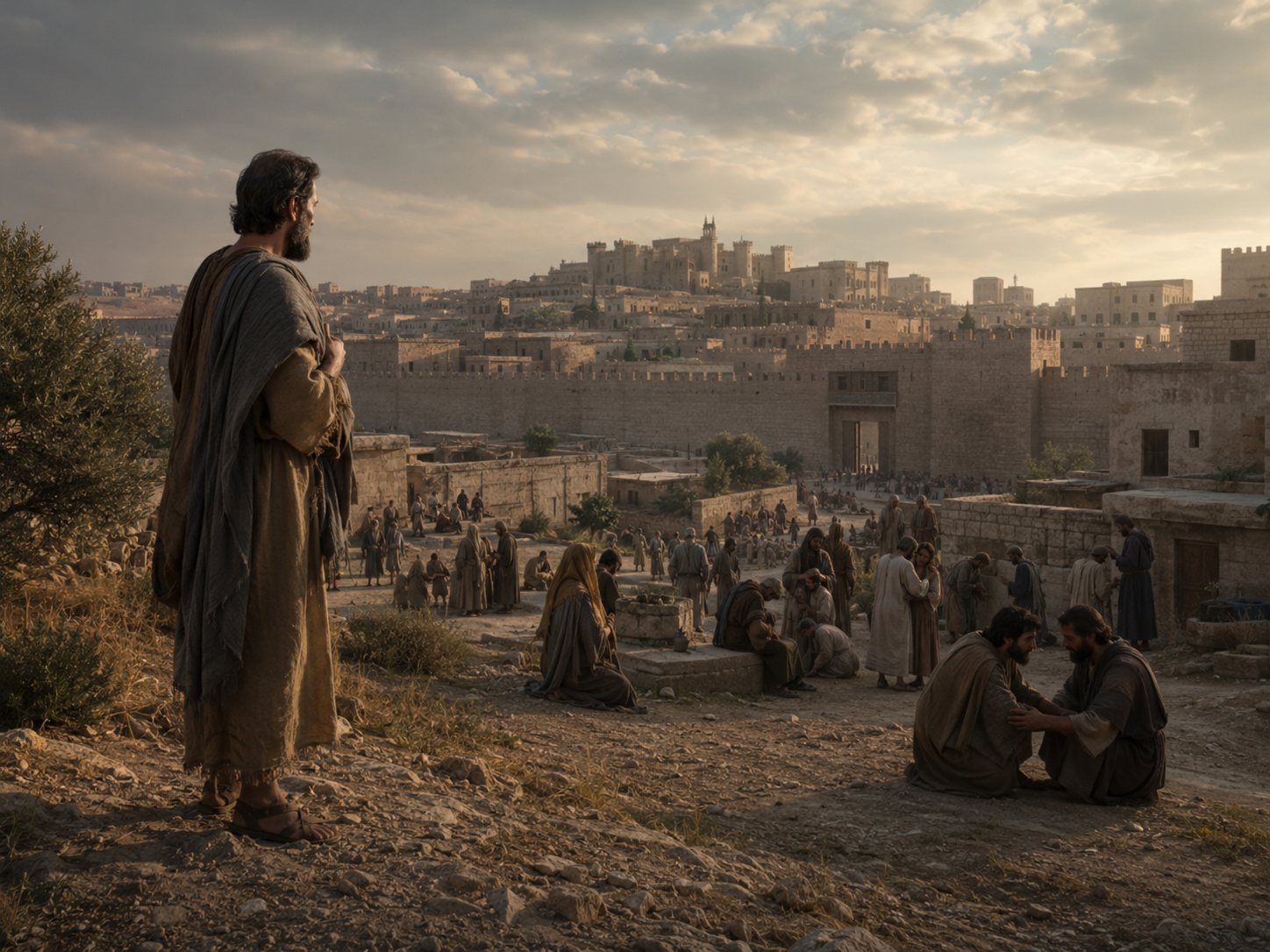
Jonah reaches the right city while his inner formation remains unfinished.
Jonah delivers the warning entrusted to him, and the people of Nineveh respond.
The city turns from violence and seeks mercy. God does not bring the destruction that had been announced.
Jonah becomes angry.
He reveals that this was part of the reason he resisted the call from the beginning. He knew God was merciful, and he did not want Nineveh spared.
The book closes with God questioning Jonah about his anger and the narrowness of his concern.
The story refuses to give us a finished man.
Jonah reflects tendencies that remain familiar.
We avoid the responsibility that interrupts our preferred future.
The call may be clear, but the cost is unwelcome.
We can do the task while resisting its meaning.
Action changes before character has caught up.
We want understanding for ourselves and judgment for others.
Jonah receives mercy while resenting its extension to Nineveh.
We may care deeply about small personal losses and little about larger goods.
The plant matters to Jonah more than the city.
Intelligent people construct intelligent excuses.
Reason can become the servant of avoidance.
Visible achievement does not prove inward completion.
A successful outcome may leave the deeper question untouched.
Jonah’s Club is not a fellowship of people claiming to have arrived.
It is a fellowship of people learning to recognise their forms of flight.
We may fear not only failure, but the responsibility carried by our own possibilities.
Many centuries after the Book of Jonah was written, Abraham Maslow drew upon Jonah’s flight as a psychological analogy.
Maslow used the phrase Jonah Complex for the tendency to evade our deeper capacities, responsibilities and possibilities.
A person may glimpse what he or she could become and withdraw from it. The possibility attracts us, but it also removes familiar excuses.
Those possibilities need not involve fame or public greatness. They may involve becoming a better parent, beginning necessary work, accepting leadership, repairing a relationship or assuming a responsibility already recognised as ours.
The possibility may not make us prominent. It may simply make us more responsible.

Maslow’s Jonah is an analogy, not the full meaning of the biblical book.
The biblical story concerns God’s call, judgment, repentance, mercy, obedience and the moral condition of the prophet.
Maslow draws selectively upon one movement within that story: Jonah’s attempt to flee what had been placed before him.
Fear of possibility
Maslow helps us see how a person may evade talent, responsibility and a larger form of life.
The analogy is psychologically useful because fear often disguises itself as delay, humility or caution.
Calling, mercy and unfinished character
Jonah does not run merely because the task is large. He resists the mercy that may be shown to Nineveh.
The problem is not only unrealised capacity. It is also resentment and a disordered understanding of the good.
A person may become more effective without becoming wiser. Capacity alone does not tell us what is worth doing.
The deeper question is not simply what can be actualised, but what is worth actualising.

Jonah’s Club does not exist to intensify every ambition.
Not every desire should become a goal.
We may pursue our capacities towards the wrong ends. We may become more efficient while our lives become less properly ordered.
This is why Jonah’s Club and AQMeets speak of worthy intentions.
The work begins before execution. It begins by judging what deserves to be brought into reality.
Sometimes we fear the attempt. Sometimes we fear what the attempt may require if it succeeds.
The attempt may reveal our limits.
So we prepare indefinitely, wait for confidence or refuse to expose the work to reality.
By never fully attempting it, we protect ourselves from discovering what we can and cannot do.
Success may ask more of us than we wish to give.
It may change what is expected, expose us to judgment or require the surrender of a smaller identity.
We may flee because we suspect we are capable and recognise what that capacity would demand.

Fear rarely introduces itself honestly.
It often speaks in respectable language.
A serious friend can sometimes recognise the direction of our movement before we do.
The friend does not decide our life. The friend gives us another perspective from which to see it.

The name is not only Jonah. It is Jonah’s Club.
The word club does not mean an exclusive status circle or a group gathered around professional advantage.
It means a company of people who recognise that formation should not be attempted entirely alone.
We are capable of drift.
Good intentions can be obscured by comfort, resentment, fear or delay.
We need more than encouragement.
At times we need someone to question the explanation we have accepted.
Worthy intentions need to be remembered.
A peer may carry what mattered across the week, quarter and year.
Failure should not have the final word.
A community can help a person face reality and make the next faithful movement.
A serious community does not remove personal responsibility. It strengthens our capacity to assume it.
Return to Your Calling, Stronger.
Each word matters.
Drift is not the end of the story.
We may have delayed, hidden, failed or become discouraged. Return means facing what happened and taking the next faithful step.
Something is being asked of us.
A responsibility, contribution, truth, work, person or form of service may deserve more than momentary preference.
Strength need not mean invulnerability.
It may mean greater honesty, humility, endurance and willingness to receive counsel.
We do not return pretending the flight never happened. We return having learned something from it.

Jonah’s Club gives the final movement of iRAPP a relational home.
Intention: What worthy responsibility are we trying to answer?
Reality: What actually happened?
Analysis: Why did we move forward, and where did we flee?
Planning: What practical return is now required?
Peers: Who can help us see clearly, act faithfully and continue?
Jonah is not the finished man.
The Book of Jonah ends before we know how Jonah answers God’s final question.
That incompleteness belongs to the meaning of the name.
We may answer one call and resist the next. We may return outwardly while remaining inwardly unchanged. We may need truth, mercy, correction and another beginning.
Jonah’s Club exists for people who do not want to make that return entirely alone.